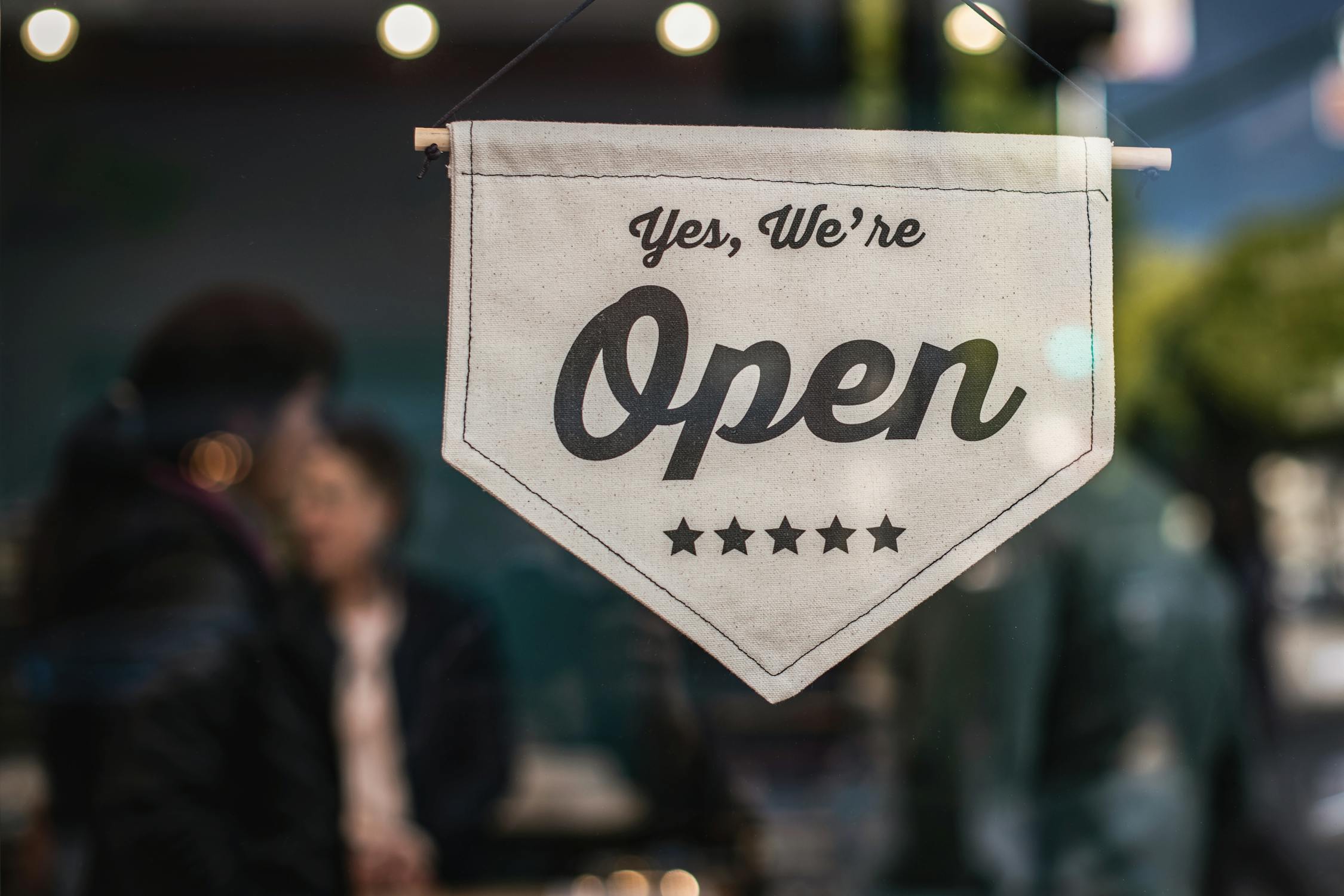
Why Should a Small Business Have a Website?

In today's digital age, where the internet plays a huge role in our lives, having a strong online presence isn't just a fancy perk—it's downright essential, especially for small businesses. Now, I know you might be thinking, "Well, I've got a Facebook page; isn't that enough?" That's a valid question, and we'll get to that in a bit. But let's dive into why having a website is like the secret sauce that can take your small business from just getting by to thriving in the online world.
1. Establishing Credibility and Trust
In today's hyper-competitive market, consumers often turn to the internet to research products and services before making a purchase decision. Having a professionally designed website creates an immediate sense of credibility and trustworthiness for your small business. It's a place where potential customers can learn about your business, its history, and the people behind it. It’s sort of like an online business card, if you will.
When a potential customer lands on a well-crafted website, they can quickly find essential information about your business, such as your contact details, product offerings, and customer reviews. This accessibility and transparency help build trust, which is a crucial factor in turning visitors into paying customers.
2. Expanding Your Reach Beyond Local Markets
A website allows small businesses to break free from the constraints of their physical location. Instead of catering only to a local audience, you can potentially reach customers from around the world. This expanded reach opens up new opportunities for growth and revenue generation that were once unimaginable for small businesses.
Consider the case of a small artisanal soap maker. Without a website, their potential customer base might be limited to those who happen to visit local craft fairs or farmers' markets. However, with a well-optimized website, they can showcase their products to a global audience interested in handmade, natural soaps. This broader reach can significantly impact sales and business growth.
3. Control Over Your Brand's Narrative
Your website is your canvas, where you have full control over how your brand is presented. Unlike social media profiles or third-party listings, you can design your website to align perfectly with your brand's identity. From the color scheme to the content and imagery, every element can be tailored to convey your unique message and values.
Consider the example of an eco-friendly clothing brand. On their website, they can use sustainable design elements, share detailed information about their commitment to the environment, and provide in-depth articles about sustainable fashion practices. This level of customization and control allows the brand to create a cohesive and compelling brand narrative that resonates with their target audience.
4. Enhanced Customer Engagement
Websites offer a multitude of tools and features to engage and interact with your audience. You can include contact forms, live chat, email subscriptions, and even online stores to provide a seamless experience for your customers. Additionally, you can gather valuable data and feedback from website visitors to refine your offerings and marketing strategies.
For example, an online bookstore can use website analytics to track which books are most viewed and purchased, allowing them to tailor their inventory and marketing efforts accordingly. The ability to engage with customers directly through the website also fosters a sense of community and loyalty.
5. Boosting Search Engine Visibility
Search engines like Google favor websites when ranking search results. Having a website optimized for search engines (SEO) significantly improves your chances of appearing in relevant searches. This increased visibility can drive organic traffic to your site, resulting in more potential customers discovering your business.
Let's take the example of a local bakery. Without a website, they might rely solely on word-of-mouth and local advertising to attract customers. However, by optimizing their website for local SEO, they can ensure that when someone in their area searches for "freshly baked bread near me," their bakery's website appears at the top of the search results. This targeted exposure can lead to a significant increase in foot traffic and online orders.
6. Cost-Effective Marketing
Compared to traditional advertising channels like print media or billboards, a website is a cost-effective marketing tool with a broader reach. You can create and publish content, such as blog posts, that not only informs and engages your audience but also attracts organic traffic over time.
Consider the case of a small digital marketing agency. By regularly publishing informative blog posts about digital marketing trends and strategies, they not only position themselves as industry experts but also attract potential clients who are searching for guidance in the digital landscape. This content-driven approach to marketing is not only cost-effective but also highly efficient in generating leads.
7. Showcasing Products and Services
For businesses that offer products or services, a website provides an ideal platform to showcase them. You can create detailed product/service descriptions, high-quality images, and even videos to help potential customers understand what you offer. Additionally, you can include customer reviews and testimonials to build trust and credibility.
Imagine a small photography studio specializing in family portraits. Without a website, their potential clients might have to rely on word-of-mouth recommendations alone. However, by showcasing their portfolio of stunning family portraits on their website, along with pricing and package information, they make it easy for interested families to learn about their services and make booking inquiries. This visual representation of their work is a powerful tool for attracting customers.
8. Accessibility and Convenience
A website is accessible to your audience 24/7, allowing them to access information about your business at their convenience. This accessibility is especially beneficial for businesses that operate outside regular business hours or target international markets with different time zones.
Consider a small software company that develops productivity apps. With a website that includes detailed product information, user guides, and a support ticket system, customers from different time zones can access the resources they need at any hour. This level of accessibility not only improves customer satisfaction but also helps address issues and inquiries promptly.
9. Data and Analytics
Websites offer powerful analytics tools that allow you to track user behavior, such as which pages are most popular, how long visitors stay, and where they come from. This data can inform your marketing strategies and help you make data-driven decisions to improve your website's performance.
Let's say you run a small online clothing boutique. By analyzing website data, you can identify which clothing items are most viewed and purchased by your customers. This information can guide your inventory management and purchasing decisions, ensuring that you stock the products that resonate most with your target audience. Additionally, website analytics can reveal trends in visitor demographics, helping you tailor your marketing efforts more effectively.
10. Competitive Advantage
In today's digital landscape, many small businesses still lack a strong online presence. By investing in a website, you gain a competitive edge over competitors who rely solely on social media or traditional marketing methods. Your website becomes a valuable asset that sets you apart from the crowd.
Consider a local restaurant that has recently launched a website with an online ordering system. While other restaurants in the area may rely on third-party delivery apps, the restaurant with its website can offer a more personalized and cost-effective ordering experience for its customers. This competitive advantage can lead to increased customer loyalty and higher profitability.
Why Relying on a Facebook Page Alone Falls Short
Okay, so you've got a Facebook page for your small business. It's a solid start, and social media platforms can be helpful for connecting with your audience. However, let's explore why a Facebook page alone isn't enough to meet all your digital needs.
1. Limited Control Over Design and Branding
On Facebook, your business page is somewhat like renting a space in a shopping mall—you can decorate your shop to some extent, but you're still operating within the constraints of the mall's layout and rules. This means limited customization and branding opportunities. Your Facebook page may look similar to countless others, making it challenging to stand out and convey a unique brand identity.
2. Restricted Access to Customer Data
When you rely solely on a Facebook page, you're essentially sharing your customer data with Facebook. This data includes valuable insights about your audience, their behaviors, and preferences. Facebook does provide some audience analytics, but it pales in comparison to the depth of data you can gather through your website. With a website, you have full control over data collection and ownership, which can be instrumental in tailoring your marketing strategies.
3. Shifting Algorithms and Reach Limitations
Facebook frequently updates its algorithms, which can affect the visibility of your posts and the reach of your page. This means that your content may not consistently appear in your followers' newsfeeds, reducing the chances of your audience seeing your updates. With a website, you're not at the mercy of these algorithm changes, ensuring that your content is always accessible to those who visit your site.
4. Incomplete Brand Storytelling
Your brand has a story to tell, and it's not just about your products or services—it's about your mission, values, and the people behind the scenes. While Facebook allows for some storytelling through posts and images, it lacks the depth and continuity that a dedicated website offers. On your website, you can craft a comprehensive brand narrative that resonates with your audience and leaves a lasting impression.
5. Limited E-commerce Capabilities
If your small business involves selling products or services online, relying solely on a Facebook page can be limiting. While you can create posts showcasing your offerings and direct customers to external platforms for purchases, it's not as seamless as having an integrated e-commerce system on your website. A website provides the perfect platform for setting up online stores, accepting payments, and managing transactions efficiently.
6. Missed Search Engine Opportunities
One of the most significant drawbacks of depending solely on a Facebook page is that it's less likely to appear in search engine results compared to a website. When potential customers search for products or services related to your business, a website is more likely to rank higher in search results. This enhanced visibility can be a game-changer for attracting new customers who discover your business through online searches.
In essence, while a Facebook page can be a valuable component of your online presence and customer engagement strategy, it should be complemented by a dedicated website to maximize your business's potential in the digital realm. A website offers greater control, branding opportunities, and accessibility, ensuring that your small business not only survives but thrives in the competitive online landscape.
So What Does This Mean For Me?
Overall, the importance of having a website for small businesses cannot be overstated. It serves as a virtual storefront that establishes credibility, expands reach, and engages customers. A website is a versatile and cost-effective marketing tool that offers control over your brand's narrative and boosts search engine. If you have any questions at all, feel free to contact Tri-Cities Web Designs and we’ll be able to point you in the right direction!